


 Đèn dây treo
 Đèn LED nam châm
 Đèn LED âm trần
 Đèn LED âm trần đa năng
 Đèn LED âm trần khách sạn
 Đèn LED chiếu tranh
 Đèn LED chống thấm
 Bộ đèn LED tube
 Bộ đèn LED kiểu Batten
 Bộ đèn LED V Shape
 Đèn LED sân Tennis
 Phụ kiện
 Bộ đèn LED chụp Mica
 Đèn LED sân vườn
 Đèn LED gắn nổi
 Máng đèn chống thấm – chống bụi
 Đèn LED chiếu sáng cảnh quan
 Đèn LED phòng sạch
 Đèn LED năng lượng mặt trời
 Đèn LED pha
 Đèn đường LED
 Đèn LED dây
 Đèn đường LED
 Đèn LED ốp trần
 Đèn LED sản xuất theo đơn đặt hàng
 Đèn Exit & Đèn sạc khẩn cấp
 Đèn LED Panel
 Đèn LED Hibay
 Bóng đèn LED
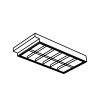 Máng đèn tán quang
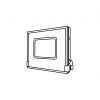 Đèn LED pha
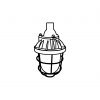 Đèn LED phòng chống nổ EEW
Choosing LED Lights for Fuel Stations
Fuel stations play a crucial role in the fuel supply system for vehicles. To ensure the safety and efficiency of Fuel Station operations, the use of high-quality LED lights is considered a vital factor. Selecting LED lights that adhere to technical standards is a crucial step in ensuring the safety and efficiency of gas stations. In this article, we will explore the selection of LED lights based on Vietnamese standxards (TCVN).
TCVN Standards and Regulations for LED Lights
Vietnamese Technical Standards (TCVN) play a crucial role in regulating the quality and safety of products and structures. For LED lights used in fuel stations, several important standards need consideration:
TCVN 7896:2013 – LED Lights – Classification and General Requirements
This standard specifies basic requirements for LED lights, including technical specifications, performance, and testing standards. When selecting LED lights for gas stations, it is essential to determine if the lights comply with the requirements in this standard.

TCVN 7884:2013 – LED Lights – Safety and Energy Efficiency Requirements
This standard focuses on requirements related to the safety and energy efficiency of LED lights. This is particularly important in environments like fuel stations, where absolute safety and energy conservation are critical.

TCVN 8119:2013 – LED Lights – Technical Measurement Methods
This standard outlines technical measurement methods to test the technical specifications of LED lights. Referring to this standard ensures that the selected LED lights meet the required technical specifications.

Factors to Consider When Choosing LED Lights
Power
Selecting the appropriate power for the intended environment is crucial. LED lights come in different power ratings, ranging from 5W to 100W or more. In fuel stations, using LED lights with the right power can help save energy and reduce operational costs.
Color Rendering Index (CRI)
CRI measures the ability of LED lights to reproduce colors compared to natural light sources. For fuel stations, choosing LED lights with a high CRI helps accurately identify colors, especially when checking fuel.
Ingress Protection (IP Rating)
IP Rating determines the level of water and dust resistance of LED lights. In environments like fuel stations, choosing LED lights with a high IP Rating (e.g., IP65 or higher) ensures stable operation in all weather conditions.
Lifespan
Choosing LED lights with a high expected lifespan helps reduce the frequency of replacements and maintenance. This is particularly important in fuel station environments, where the failure of lights can impact security and safety.
IK Rating – Mechanical Durability
The IK Rating (Ingress Protection) measures the resistance of LED lights to mechanical impacts and shocks. This is crucial in environments like gas stations, where there is a risk of contact with physical elements.

Conclusion
Choosing LED lights for fuel stations based on TCVN standards in Vietnam is a crucial step to ensure the safety and efficiency of the station. Reviewing technical standards and other important factors will help you select the most suitable products for the specific needs of your fuel station.


