


 Belt Light
 Magnetic LED light
 Recessed Downlight
 Multi Downlight
 Hotel Series Downlight
 Wall Wash Downlight
 Water Resistant Downlight
 Batten Luminaire
 Batten Luminaire
 V-Shape Luminaire
 Floodlight (High Mast)
 Accessories
 Plastic Cover Luminaire
 Garden Light
 Surface Downlight
 Weatherproof Luminaire
 Facade Light
 Clean Room Light
 Solar Light
 Floodlight
 Street Light
 Strip Light
 Street Light
 Ceiling Light
 Customizable Luminaire
 Exit & Emergency Light
 Panel Light
 High Bay
 LED Bulb & LED Tulb
 Reflective Luminaire
 Floodlight
 EEW Explosion Proof Light
Gas station lighting solution
Designing the lighting system for a petrol station before construction is necessary to ensure that the lighting system is designed and installed according to requirements and achieves the highest efficiency. Pre-designing helps shape the entire lighting system in different areas of the gas station, allowing for accurate and cost-effective planning and execution during construction.
If construction takes place before designing, it is very likely to encounter unwanted issues, such as using inappropriate lamps, incorrect placement of lamps, insufficient or excessive brightness, which can cause discomfort for users and affect the business efficiency of the gas station. When these issues occur, additional costs and time will be required to repair, replace, or adjust the lighting system.
Therefore, pre-designing helps minimize errors during construction, ensures the stability and highest efficiency of the lighting system. Additionally, pre-designing also helps station management to plan and make informed decisions regarding lamp usage, energy conservation, environmental protection, and enhanced safety for users.
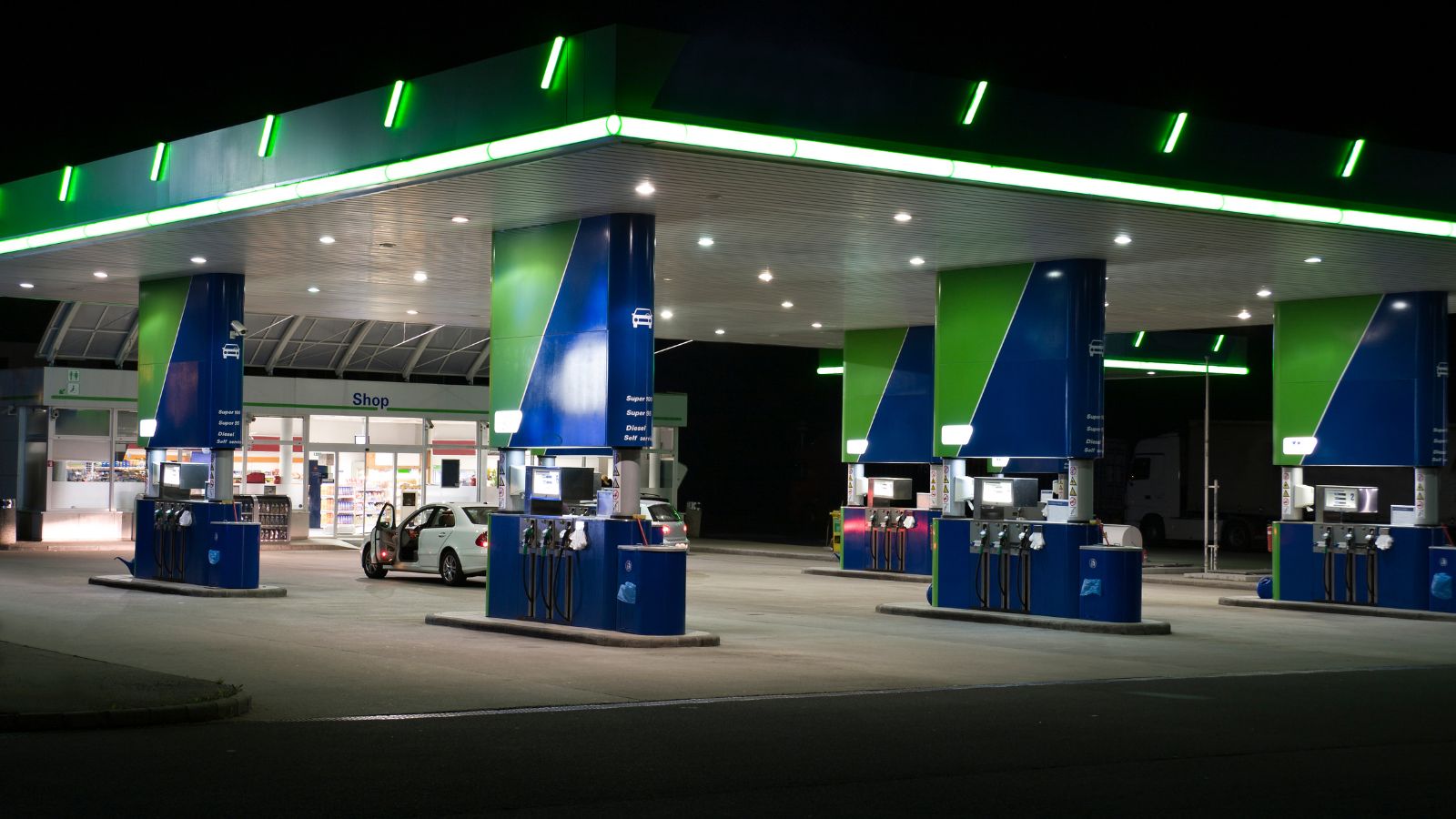
The lighting requirements for gas stations follow the TCVN 4530:2011 (Vietnamese Standards) for lighting design at gas stations.
The TCVN 4530:2011 (Vietnamese Standards)
TCVN 4530:2011, issued by the National Institute for Standardization and Quality of Vietnam, provides guidance on designing and installing lighting systems in gas stations. This standard specifies the basic lighting requirements for different areas within a gas station, including:
- Fueling area: Fueling positions should be adequately lit for users to clearly see indicators and fueling equipment. Lighting should be evenly distributed throughout the fueling area, avoiding glare and adverse effects on health.
- Stairways and walkways: Stairways and walkways should be well lit to ensure safe and easy movement. Lighting should be evenly distributed without creating dark spots or excessively bright areas. Residential lighting fixtures such as pendant lights or tube light fixtures can be the optimal choice for this area. Additionally, emergency lighting and exit signs are mandatory installations.
- Payment and cashier area: Payment and cashier areas should be adequately lit for users to clearly see payment devices and the surrounding space. Lighting should be evenly distributed without causing glare.
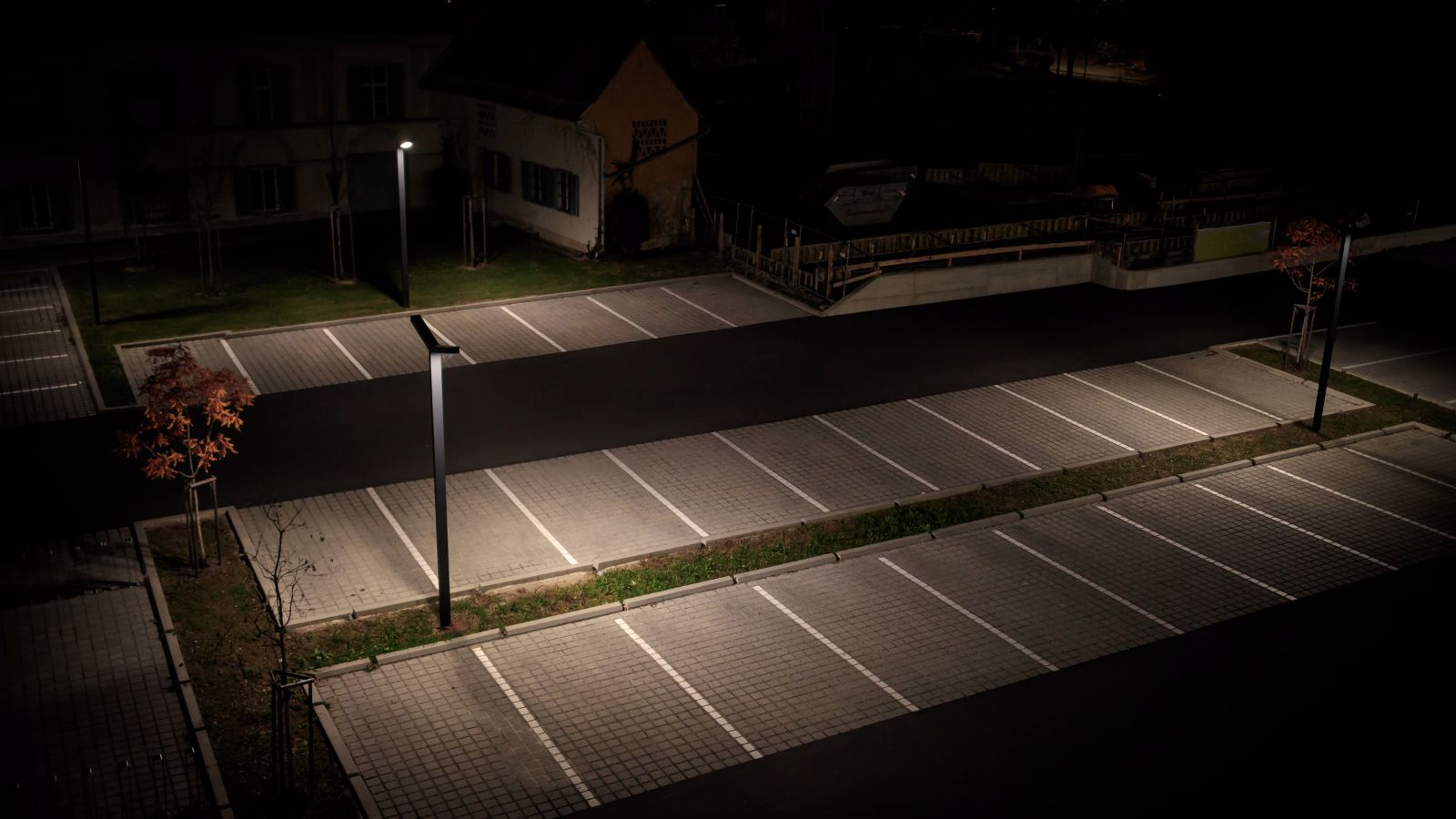
- Parking area: Parking areas should be adequately lit for users to clearly see the space and obstacles. Lighting should be evenly distributed without causing glare.
- Restroom area: Restroom areas should be adequately lit for users to clearly see and use sanitary facilities. Lighting should be evenly distributed without causing glare.
Note
In addition to the basic lighting requirements for different areas in a gas station, TCVN 4530:2011 also specifies other requirements to ensure the safety and efficiency of the lighting system. These requirements include:
– Height of lighting fixtures: The height of lighting fixtures should be appropriate for the area they serve. For example, lighting fixtures in the fueling area should be placed at a lower height for users to clearly see fueling equipment, while lighting fixtures in the parking area should be placed at a higher height to illuminate the entire parking area.
– Brightness and color of lighting fixtures: The brightness and color of lighting fixtures should be suitable for the purpose of the area. For example, the fueling area requires white light for users to clearly see indicators and fueling equipment, while the restroom area may use yellow light to create a warm and comfortable ambiance.
– Durability of the lighting system: The lighting system should be designed to withstand environmental factors such as water, dust, humidity, temperature, and vibration. This ensures the stable operation and durability of the lighting system over time.
– Energy efficiency: The lighting system should be designed to save energy and minimize environmental impact. LED lights can be used to save energy and increase the lifespan of the lighting system.
The areas that require lighting in a petrol stations include
Lighting areas at Fuel pumping area.
The fuel pumping areas should be adequately lit for users to clearly see instructions and fueling equipment. The lighting should be evenly distributed throughout the fuel pumping area, without causing glare for users and without affecting their health.
In this area, Canopy lights or explosion-proof lights can be used to maximize safety.
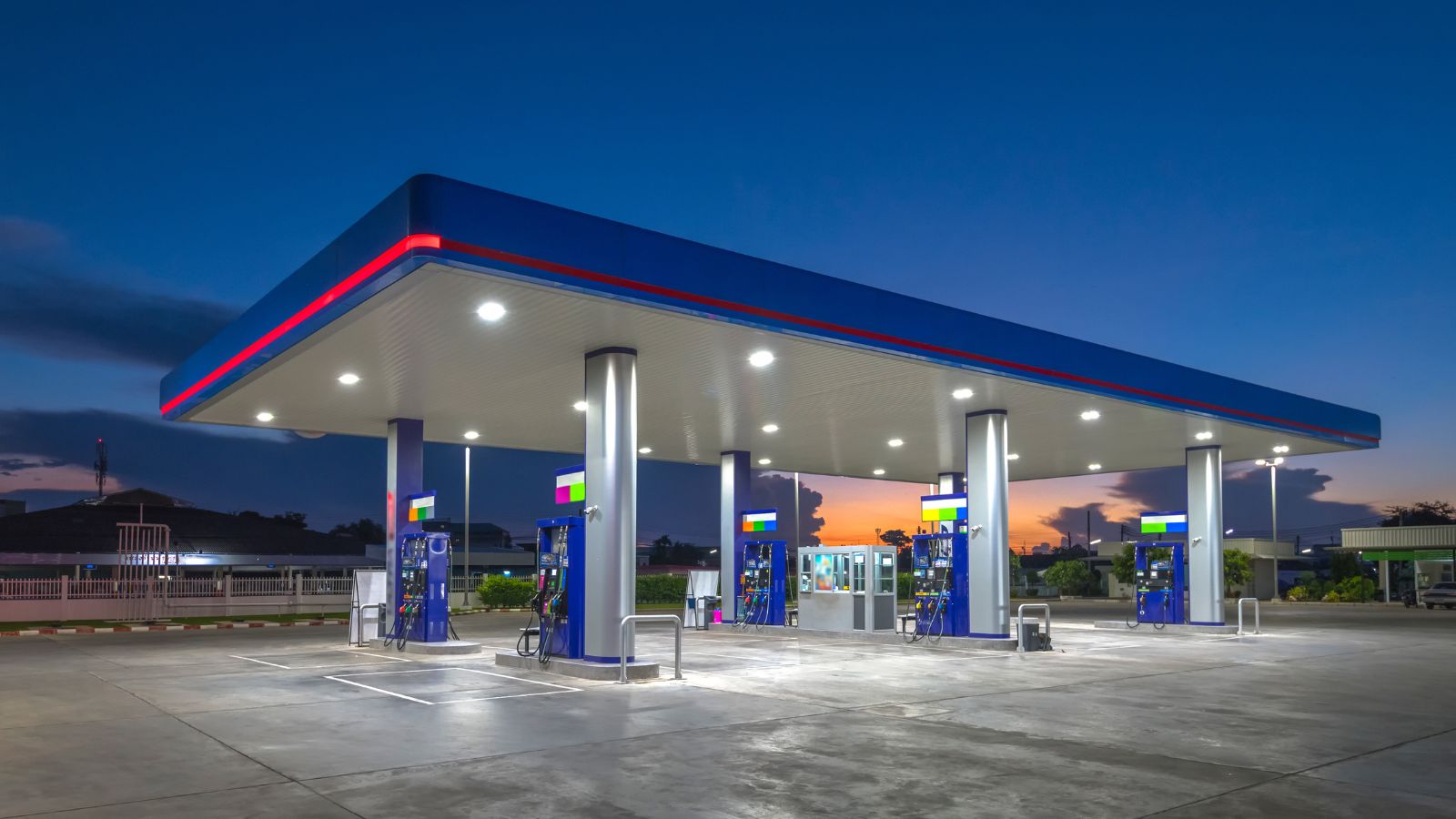
Walkways and staircases area.
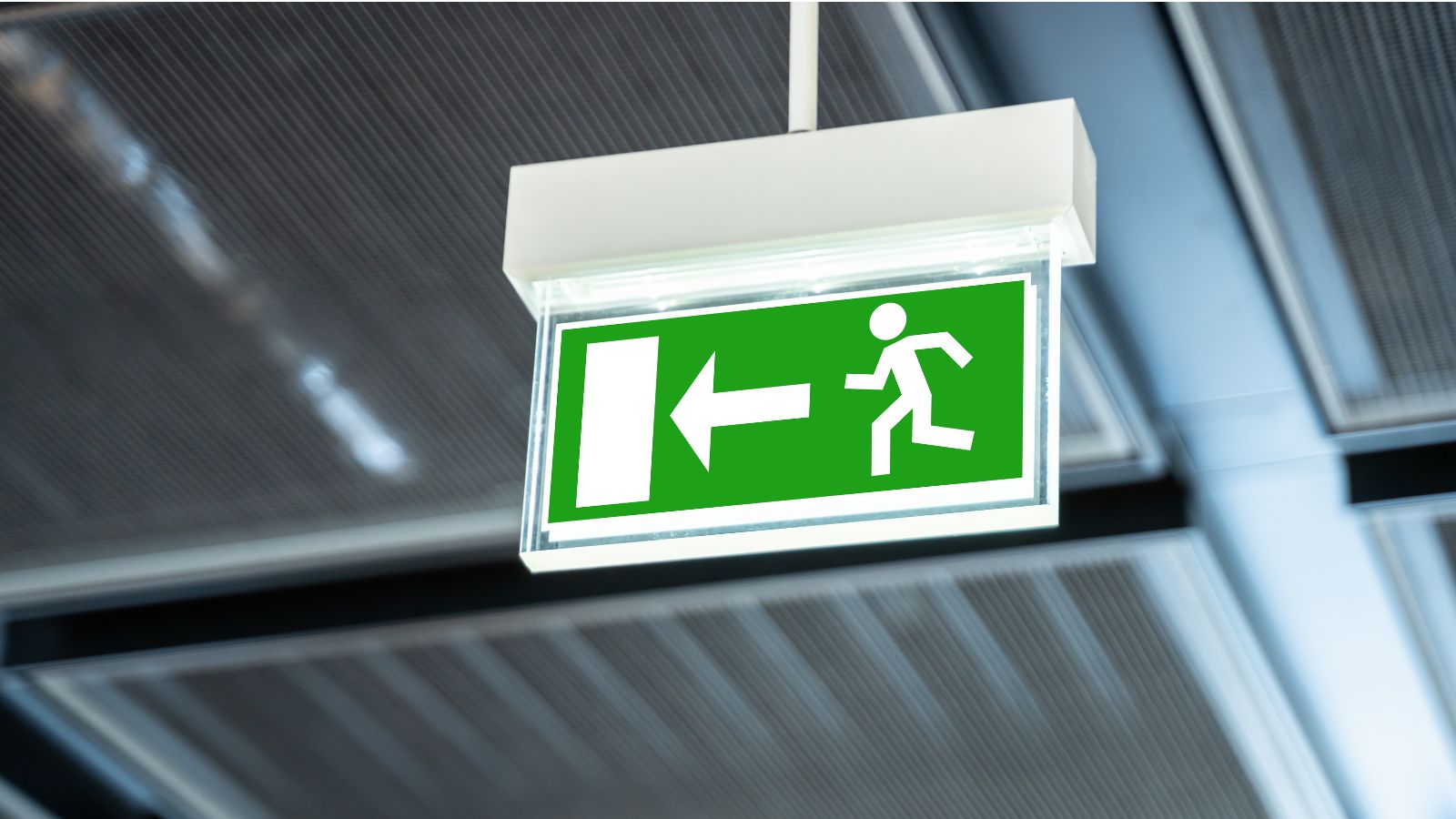
Walkways and staircases should be adequately lit for users to move safely and easily. The lighting should be evenly distributed, avoiding dark shadows or overly bright areas. Residential lighting fixtures such as acrylic ceiling lights or tube light fixtures can be the optimal choice for this area. Additionally, emergency lighting and exit signs are mandatory.
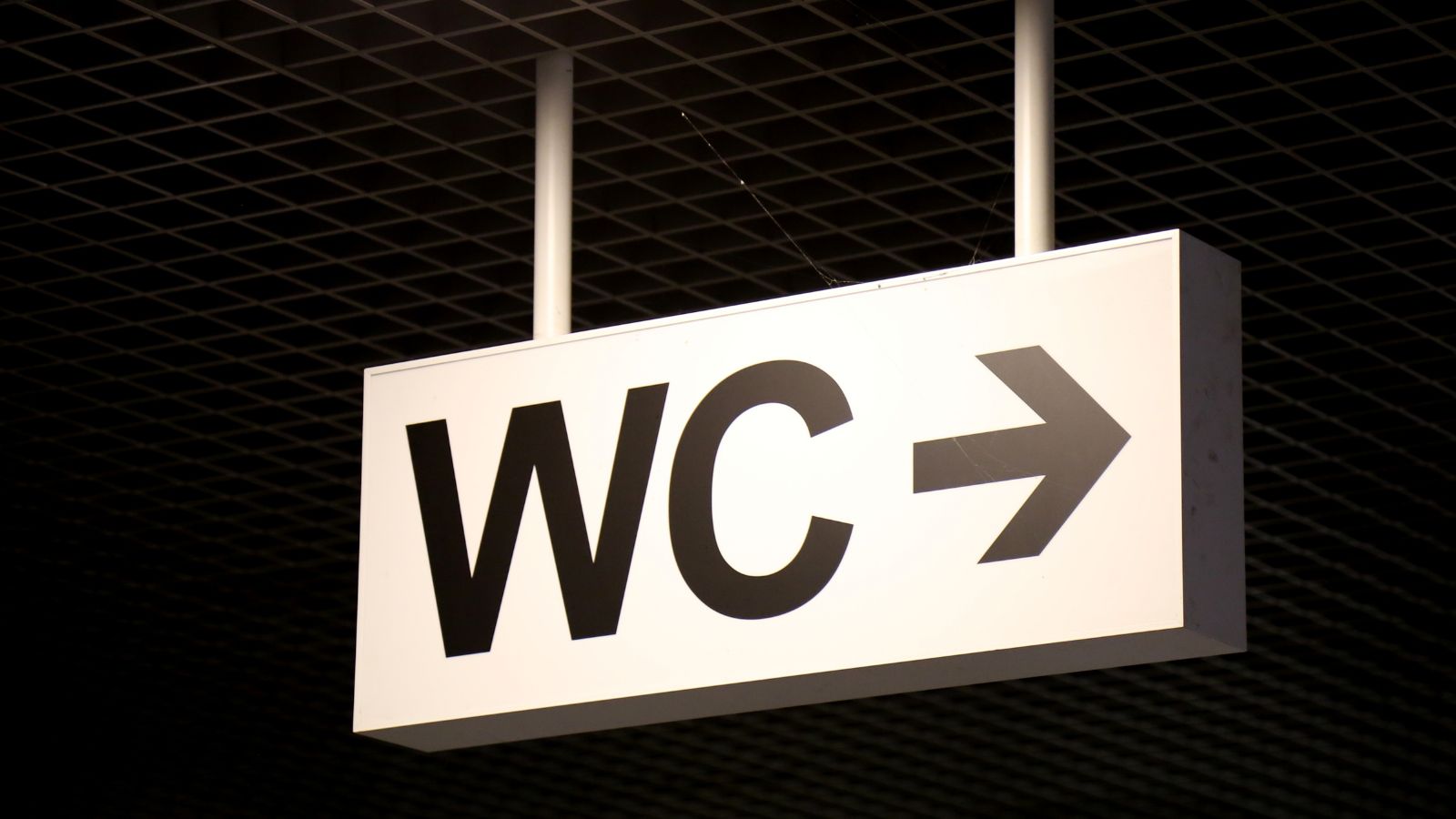
Public restroom area.
Restroom areas should be adequately lit for users to see clearly and use sanitary facilities. The lighting should be evenly distributed and not cause glare. Flush mount ceiling lights are the most cost-effective option.
Parking area.
Parking areas should be adequately lit for users to see the space and obstacles clearly. The lighting should be evenly distributed and not cause glare. The recommended optimal and cost-saving method is to use high-power LED floodlights for large-scale illumination, which optimizes the number of lights and poles while ensuring sufficient lighting for the area. Floodlights should have an IP rating of 65 or higher and undergo peak performance testing to function well in different weather conditions.
Please refer to our brochure: “Optimal Lighting Solutions – Lighting Solutions for Petrol Stations.”
With years of expertise and extensive experience in providing lighting equipment for both large and small-scale projects in the area, we can provide detailed information and valuable recommendations for a comprehensive lighting system. Contact our Hotline at 09144 09142 for Paragon’s consultation and clarification on lighting-related inquiries.


