


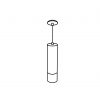
 Belt Light
 Magnetic LED light
 Recessed Downlight
 Multi Downlight
 Hotel Series Downlight
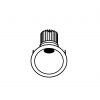 Wall Wash Downlight
 Water Resistant Downlight
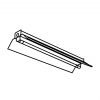 Batten Luminaire
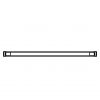 Batten Luminaire
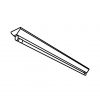 V-Shape Luminaire
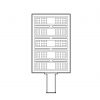 Floodlight (High Mast)
 Accessories
 Plastic Cover Luminaire
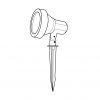 Garden Light
 Surface Downlight
 Weatherproof Luminaire
 Facade Light
 Clean Room Light
 Solar Light
 Floodlight
 Street Light
 Strip Light
 Street Light
 Ceiling Light
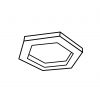 Customizable Luminaire
 Exit & Emergency Light
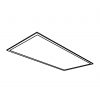 Panel Light
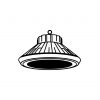 High Bay
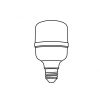 LED Bulb & LED Tulb
 Reflective Luminaire
 Floodlight
 EEW Explosion Proof Light
Green Energy Supply for LEDs: Solar Power and Storage Solutions – Sustainable Lighting for the Future
In a global context increasingly focused on sustainable development, finding clean energy sources is a top priority. The lighting industry is no exception. The perfect synergy between energy-efficient LED lights and renewable solar power has created a groundbreaking lighting solution. This is not just a trend but also a guiding principle for modern projects. Solar-powered LED lighting is ushering in a new era, illuminating every corner without reliance on the electrical grid.
Why Solar-Powered LED Lights Are the Optimal Choice?
The combination of LED technology and solar energy offers numerous superior benefits. This solution is gaining popularity, forming an independent, efficient, and environmentally friendly lighting system.
High Efficiency, Energy Saving
LED lights are renowned for their exceptional energy efficiency, consuming significantly less power than traditional lights. This characteristic means solar LED systems require smaller solar panels and lower capacity storage batteries, significantly reducing initial investment costs. This optimizes the efficiency of harvested energy, ensuring the system operates reliably over time.
Amazingly Long Lifespan
Both LED luminaires and solar panels boast very long operational lifespans. LEDs consistently perform for over 25,000 hours, while high-quality solar panels can last 20-25 years. This synchronized durability significantly reduces maintenance and replacement costs, ensuring long-term sustainability for the entire system.
Direct Current (DC) Compatibility
A notable technical advantage is that both solar panels and LEDs operate on direct current (DC). This eliminates the need for power conversion from DC to AC and back, which typically results in energy loss. Direct DC utilization optimizes overall system efficiency and simplifies the electrical circuit structure.
Environmental Benefits and Operational Independence
Using solar energy for LEDs minimizes carbon emissions and reduces reliance on fossil fuels. This is a crucial step towards a greener planet. Furthermore, this independent lighting system requires no connection to the national grid, making it ideal for public lighting in remote areas, rural roads, or parks.
System Structure and Key Storage Solutions
To operate efficiently, a solar-powered LED lighting system comprises the following core components:
Main Components of the System
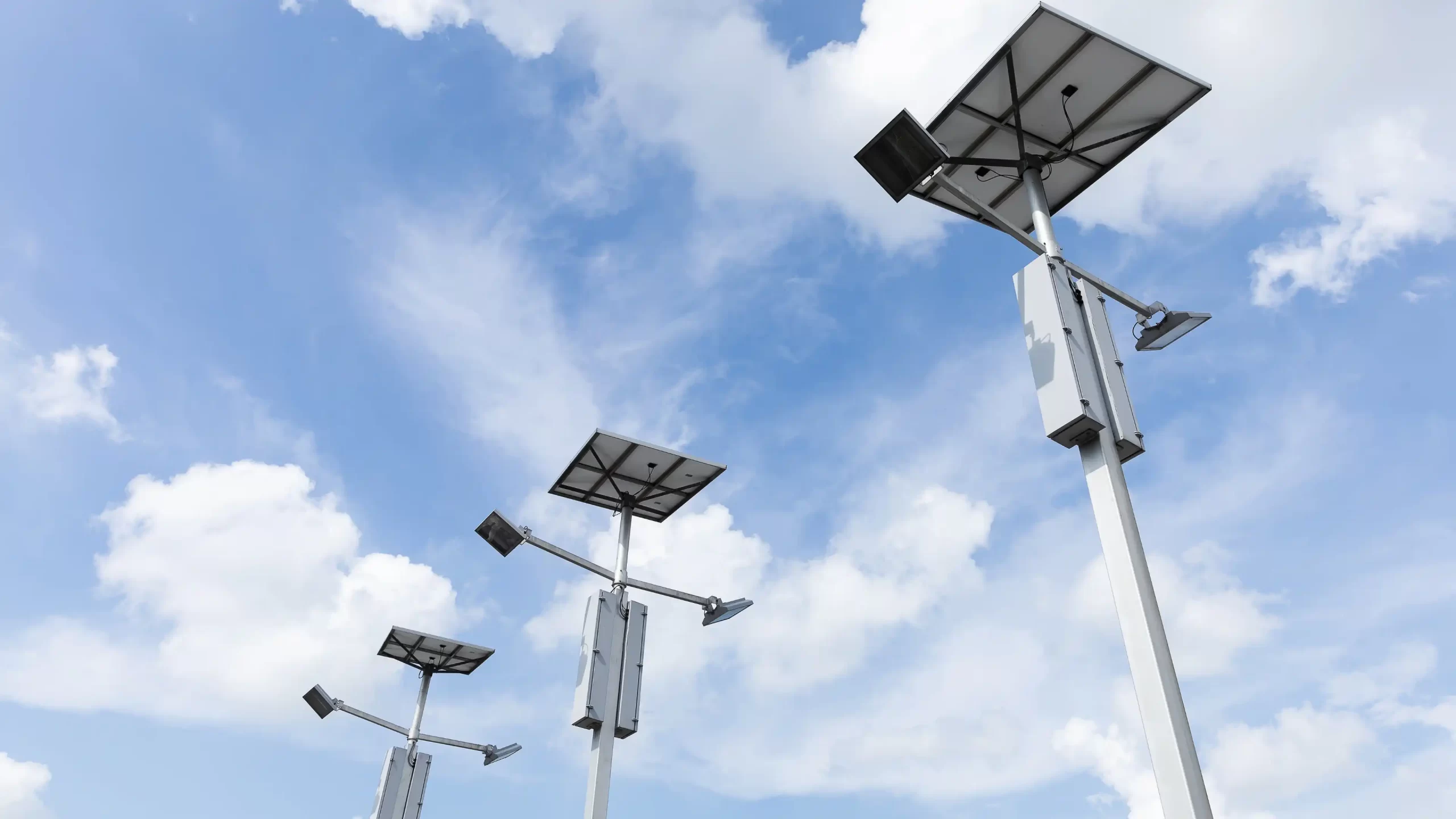
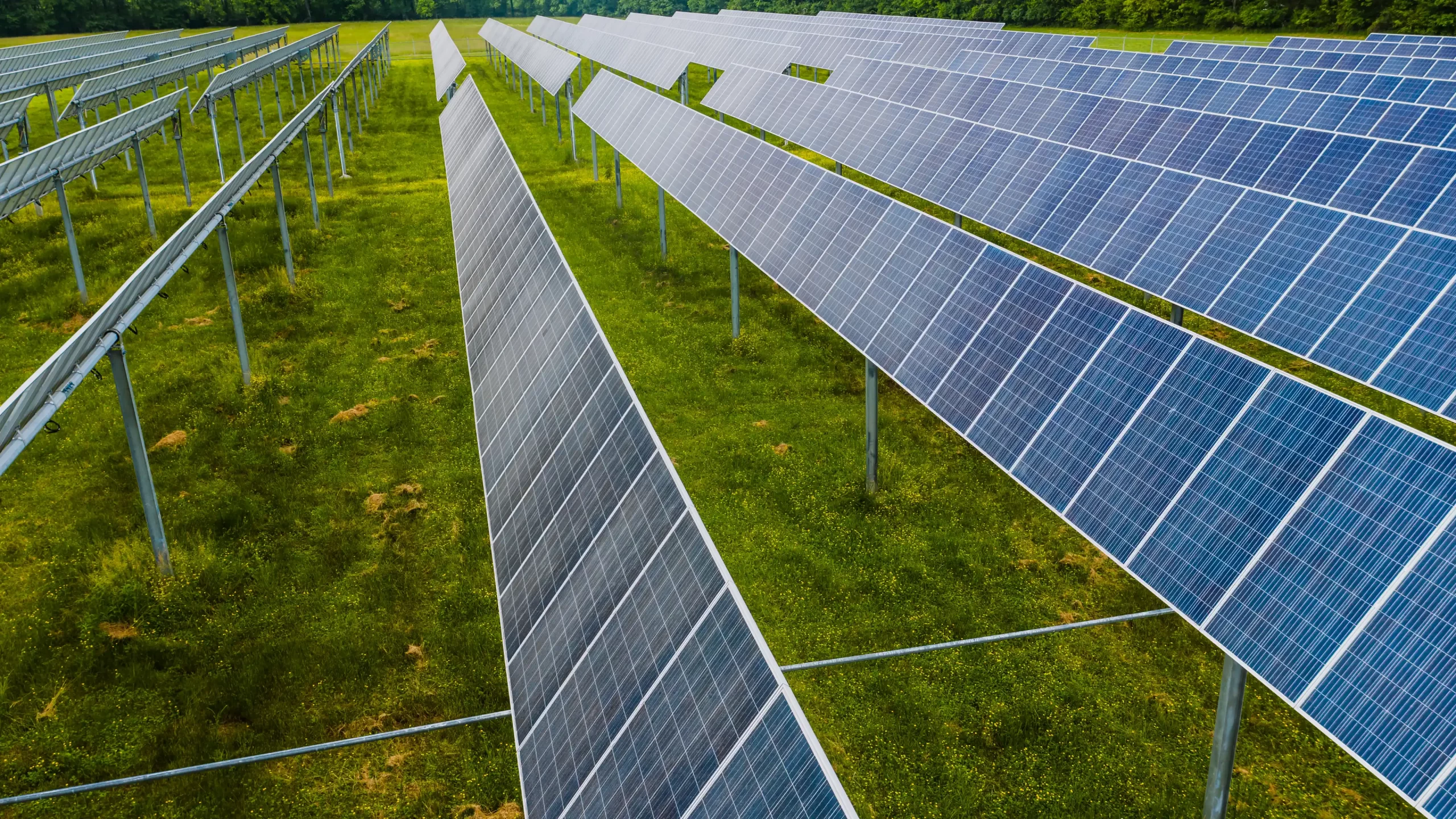
- Solar Panel: The “heart” that harvests energy, converting sunlight into electricity. The two common types are Mono-crystalline (high efficiency, black color) and Poly-crystalline (more affordable, blue color).
- Charge Controller: The “brain” that manages the battery, protecting it from overcharging or deep discharge, thereby extending its lifespan. Advanced MPPT (Maximum Power Point Tracking) types optimize energy harvesting.
- Battery: The “energy reservoir” that stores electricity to power the lights at night. This is a crucial component that significantly impacts initial investment cost and system lifespan.
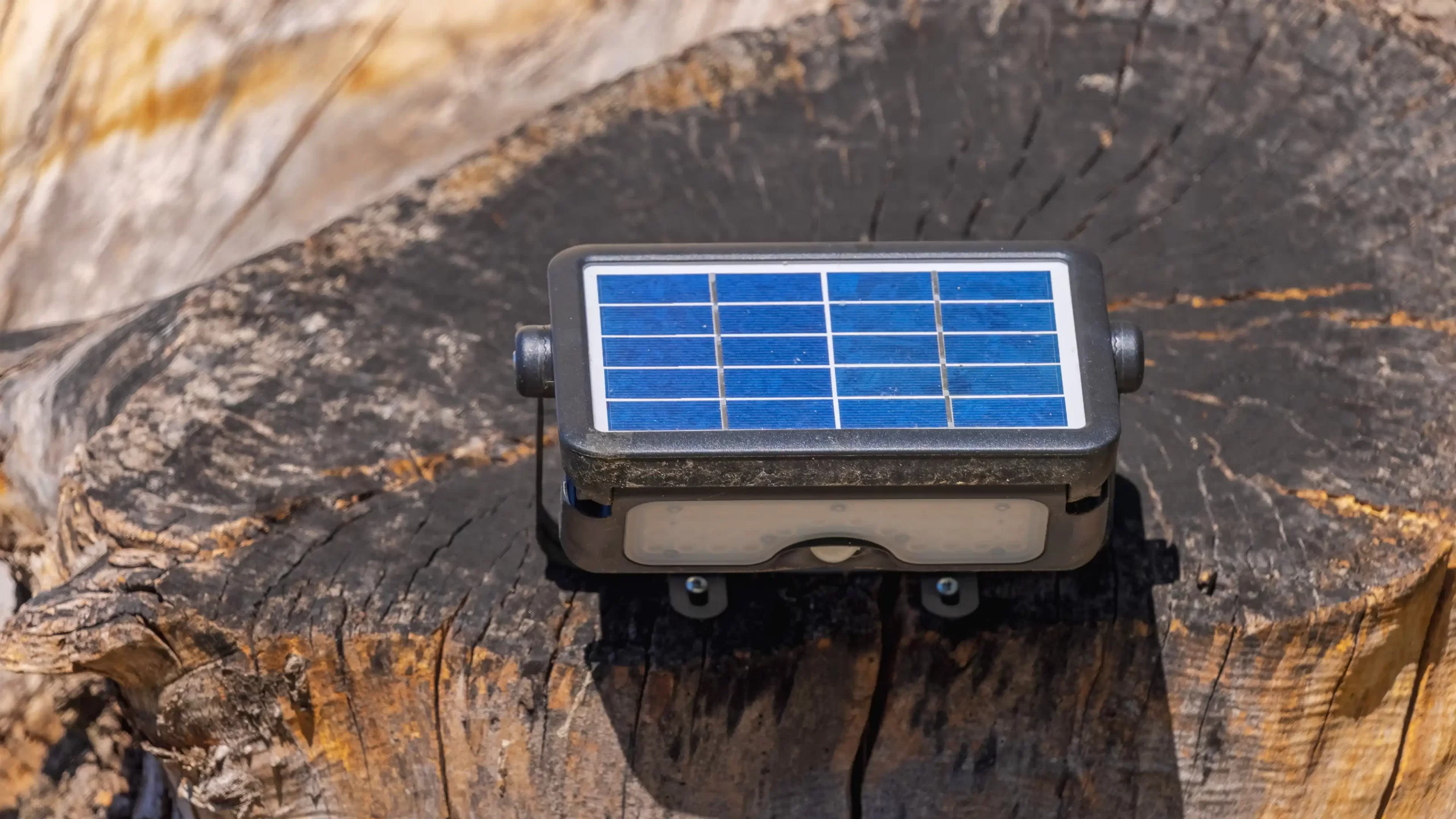
- LED Luminaire: The actual lighting device, designed to operate with DC power from the battery, often integrating motion sensors or light sensors to conserve battery life.
Modern Battery Storage Solutions
Choosing the right battery technology is a key factor for system efficiency and longevity:
- Lead-Acid Batteries: More affordable, but have a shorter lifespan (2-5 years), lower efficiency, and require maintenance. Less commonly used in modern systems.
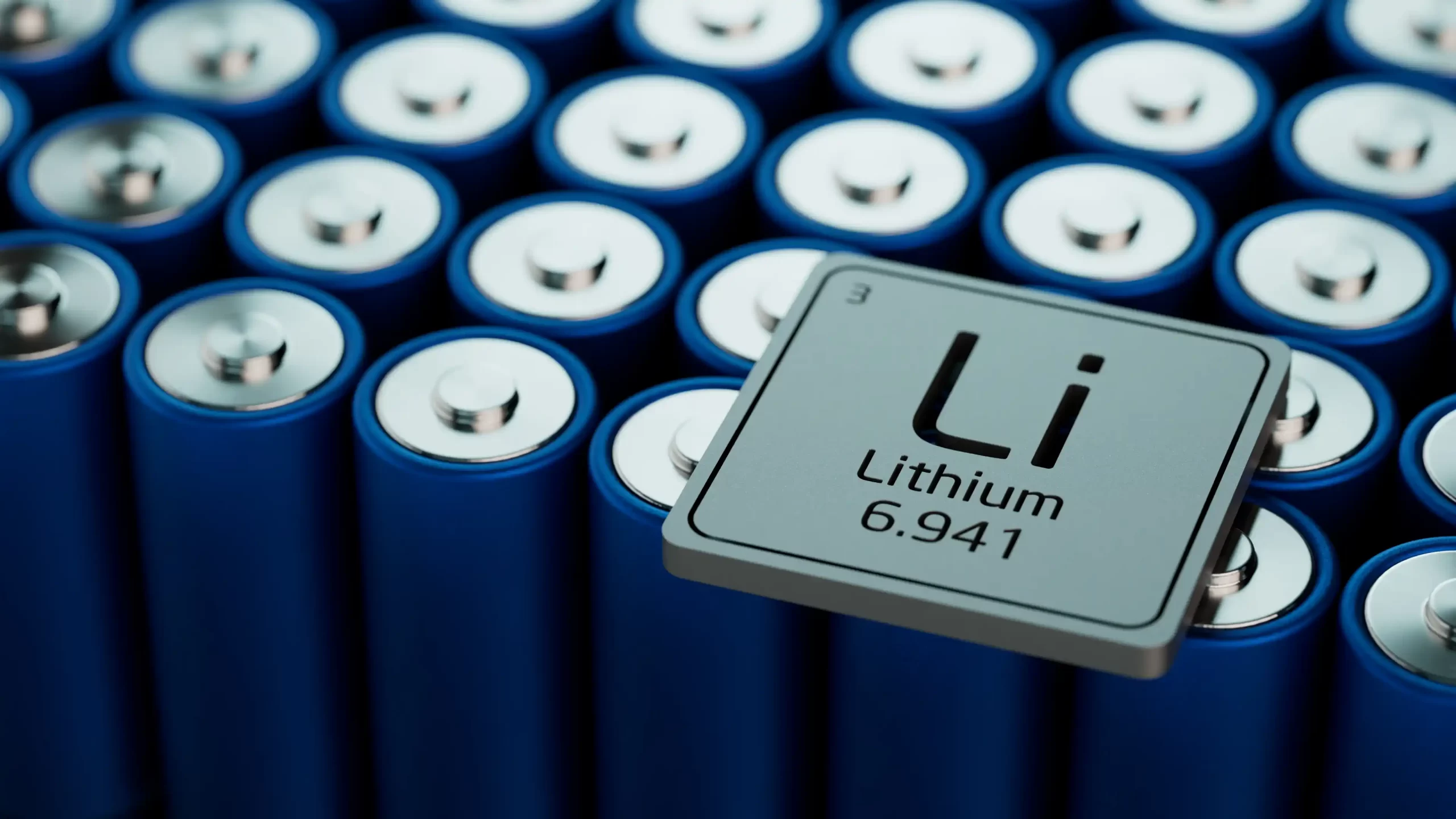
- Lithium-ion (Li-ion) Batteries: A leading choice due to their high energy density, light weight, long lifespan (5-10 years or more), maintenance-free operation, and excellent deep-discharge capabilities.
- Lithium Iron Phosphate (LiFePO4 or LFP): A Li-ion variant known for its superior safety, high cycle life, and stability at high temperatures, making it very popular in solar applications.
- Battery Management System (BMS): Extremely important for Li-ion batteries. A BMS monitors, balances, and protects the battery from adverse conditions (overcharge, over-discharge, over-temperature), optimizing lifespan and safety.
System Design and Optimization
To ensure efficiency and reliability, the design process must be meticulously calculated:
- Solar Irradiance Assessment: Determine the average Peak Sun Hours (PSH) at the installation site to calculate solar panel sizing.
- LED Load Calculation: Determine the power consumption and operating time of the LED lights each night.
- Battery Capacity Determination: Ensure the battery has sufficient capacity to power the lights during sunless days (days of autonomy/backup days).
- Optimal Panel Tilt Angle: Install solar panels at the correct tilt angle and orientation (usually facing South in Vietnam) to maximize energy harvesting.
- Smart Features: Integrate light sensors (automatic on/off) and motion sensors (brightness adjustment) to effectively conserve battery power.
- Durable Materials: Select corrosion-resistant and waterproof materials (high IP rating) for the entire system to withstand harsh outdoor environments.
Conclusion
Green energy supply from the sun combined with energy-efficient LED lighting is the lighting solution of the future. Investing in a solar-powered LED lighting system not only yields long-term economic benefits but also contributes to building a green, clean, and sustainable living environment. With continuous advancements in battery and LED chip technology, solar LED lights are set to expand even further, intelligently and environmentally illuminating every project.


