


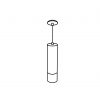
 Belt Light
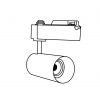 Magnetic LED light
 Recessed Downlight
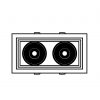 Multi Downlight
 Hotel Series Downlight
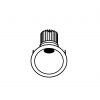 Wall Wash Downlight
 Water Resistant Downlight
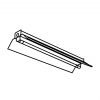 Batten Luminaire
 Batten Luminaire
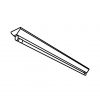 V-Shape Luminaire
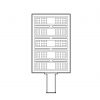 Floodlight (High Mast)
 Accessories
 Plastic Cover Luminaire
 Garden Light
 Surface Downlight
 Weatherproof Luminaire
 Facade Light
 Clean Room Light
 Solar Light
 Floodlight
 Street Light
 Strip Light
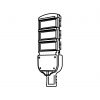 Street Light
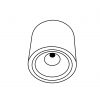 Ceiling Light
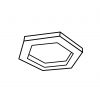 Customizable Luminaire
 Exit & Emergency Light
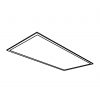 Panel Light
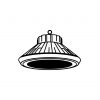 High Bay
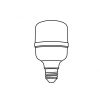 LED Bulb & LED Tulb
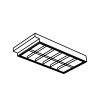 Reflective Luminaire
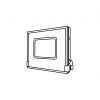 Floodlight
 EEW Explosion Proof Light
Advantages of LED against Conventional Lights
What is LED and what does it stand for?
LED is a light emitting diode, it’s a semiconductor device that lights up when electric current passes through it.
LEDs have come a long way in terms of technology advancement since its inception; and LED are approximately 90% more effective in converting electrical energy into electromagnetic energy, compared to conventional lights such as ‘compact fluorescent’ and ‘incandescent’ bulbs.
Thus, many are making the switch over to LED today, favoured for its energy efficiency, low maintenance and its ability to operate in a wide range of temperature.

High Performance & Energy Efficient
LEDs have the ability to generate higher luminous efficacy (lumens/watt), as compared to Compact Fluorescent Light (CFL) and Incandescent bulbs
On average, LEDs have a luminous efficacy of 70lm/w, whereas CFL and Incandescent bulbs have a luminous efficacy of 48lm/w and 13lm/w respectively
This means that, LEDs are able to produce more ‘light’ with lesser energy
The higher lumens/watt in LEDs, translates to higher energy saving costs for users that require light for prolonged period
Controllability
LED is a semiconductor device, it’s output can be easily controlled with a controller
Colour temperature and intensity can be tuned effortlessly for the intended setting
Frequent adjustment will not reduce the lifespan of LEDs too
Compact Design of LED modules
LED modules has shrunk over the years, with technological advancement
As such lighting designers are able to come up with radical LED light designs
It’s also able to fit into a wide array of applications
Durability of LED
LED modules are encapsulated within an epoxy resin, and less susceptible to eakage
Unlike CFL and incandescent bulbs that are made of glass or other fragile materials
And it’s well protected against elements such as water and dust

Instantaneous on and off
LED turns on and off almost immediately
Unlike CFL and incandescent, both require a warm up period to reach maximum light output
LEDs does suffer from flickering like CFL and incandescent
Frequent switching doesn’t cause degradation too
Able to work in a range of temperatures
Unlike, CFL and incandescent that require mercury and metal halide to warm up before reaching maximum light output
LEDs does not possess such problems
LEDs will work even better in cold temperatures, as it cools down the driver
Extended life span
As compared to CFL and incandescent which a life span of 10,000 2,500 hours respectively
LEDs have on average 25,000 50,000 hours in total operating hours
This dramatically reduce the frequency of changing light bulbs
Environmentally friendly
Unlike CFL and Incandescent, LED does not contain any harmful elements such as mercury and metal halide
LED does not produce infrared or ultraviolet rays, which are harmful when exposed to prolonged period
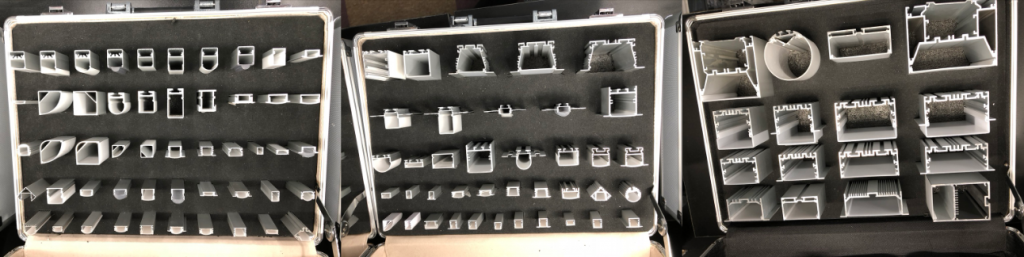
With this new knowledge on how LED triumphs over CFL & Incandescent bulbs, be sure to make the change over to LED if you have yet to do so.
For more information on Paragon’s product, do click on www.paragon.com.vn (Website) or www.paragon-led.com (Online shop).


